
In John Henry Fonda’s later telling, the assignment began with a question from a United States quartermaster: could he find his way to Chicago? John had already passed through the place and answered that he could try. The journey was no mere errand. Fort Dearborn lay beyond long stretches of difficult winter travel, and the message entrusted to him had to get through.
He chose a Canadian companion named Boiseley. Their burden, as he remembered it, was not an impressive leather satchel but a flat tin container covered with untanned deerhide, holding official dispatches and settlers’ letters. The object was small; the distance was not. On the road and along the waterways, the men had to negotiate terrain that changed with the season and depended on their own judgment about the route.
Fonda recalled that they arrived at Fort Dearborn after more than a month. He approached the post, answered the sentry’s challenge, and was conducted inside to deliver the letters. Captain Morgan, the officer in command, accepted the dispatches and told him to wait for further orders. Fonda and Boiseley lodged beyond the palisades until the return journey could begin.
The young courier later remembered this episode with obvious satisfaction. One can understand why: his task required endurance and a practical knowledge of country still unfamiliar to many eastern Americans. But its historical value is larger than adventure. Letters and instructions passed from settlement to settlement because people like John Fonda carried them, one difficult mile at a time.
This vignette follows Fonda’s retrospective narrative quoted in the source collection cited above. Its dialogue is paraphrased, not reconstructed as contemporary verbatim speech.
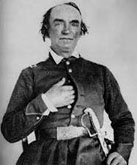
From The Fonda Family in America: An Illustrated Family History, Draft Edition, October 2026. The book contains the chapter’s fuller context and source notes.
Sources and references
- The Fonda Family in America: An Illustrated Family History: Chapter 5 — A New Nation, a Growing Family; October 2026 Draft Edition. See chapter source notes.